
Pneumatic tube system: Kink-resistant tubing with connectors for industrial applications
Tube systems combine tubing, connectors, and matching connection technology into a functional unit. For industrial applications, it is crucial that all components work together reliably. Our kink-resistant KSS tubing and matching connectors create a robust tube system that significantly simplifies installation and operation.
What is a tube system?
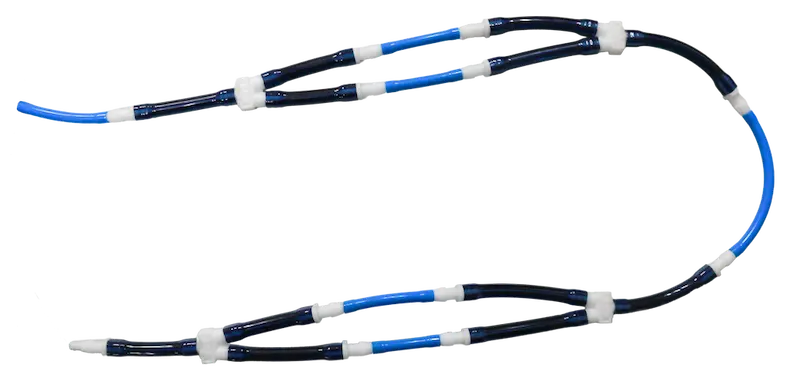
Tube systems are designed to enable the installation of tubing as efficiently as possible. The primary focus of tube systems is to achieve easy installation while ensuring pressure stability and leak-tightness by coordinating the individual components with one another. The tubing is connected using the most suitable connecting elements. These connectors come in a wide variety of materials and shapes. This article on tubing connectors explains how to select the right connectors for your tube system. Some tube systems include additional elements, such as springs to prevent kinking or couplings for an even more stable connection.
The kink-resistant pneumatic tube system
The kink-resistant tubing KSS
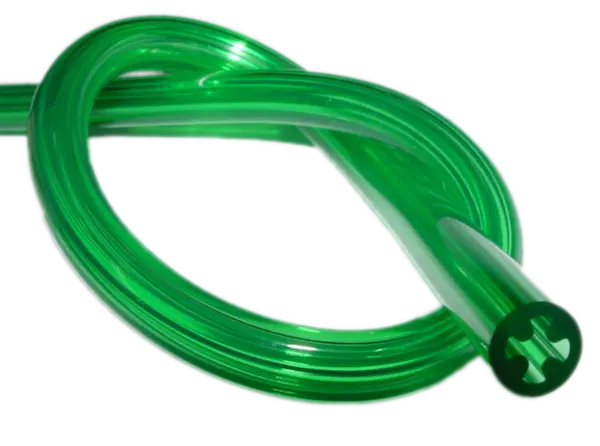
KSS is polyurethane tubing specifically designed for installation in very confined spaces. With many tubes, such as conventional pneumatic tubes, the problem is that they kink when bent to very tight radii. When this happens depends on the flexibility of the material used and the tubing’s dimensions (diameter, wall thickness). A kink in tubing is undesirable for several reasons. First, the flow is interrupted at the moment of kinking, which compromises the functionality of the entire tube system. Second, in some materials, such as polyamide, the kink creates a predetermined breaking point. At this point, the tubing is less pressure-resistant, making bursting—and thus the failure of the tube system—more likely.
To prevent this, the kink-resistant KSS tubing features an internal profile. The ribs on the inside of the polyurethane tubing ensure that flow can still be maintained even with a minimal bending radius. Additionally, it offers the characteristic advantages of polyurethane. High flexibility and good recovery properties mean that even brief kinking does not cause significant damage to the tubing. This prevents predetermined breaks at kink points.
Matching connectors for the pneumatic tube system
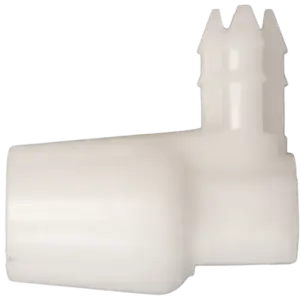
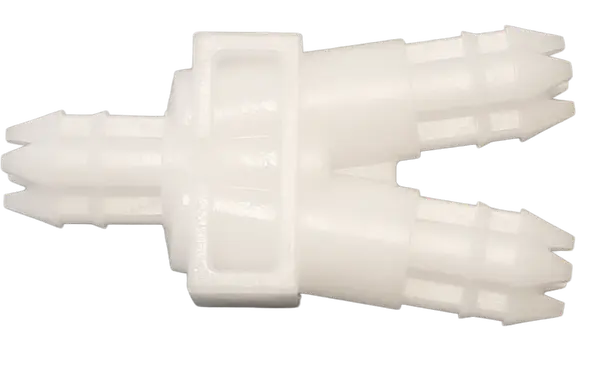
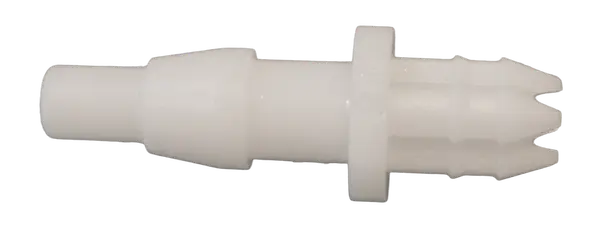
The internal profile of the KSS means that this special tubing is not suitable for standard internally routed connectors. These are typically round and therefore do not fit into the opening of the KSS with its ribs. For this reason, a special internally routed connector was developed for the kink-resistant tube system. These connectors perfectly match the tubing’s profile and seal the system seamlessly. The internally routed connectors offer the advantage that no additional space is required for their installation. Externally routed connectors, on the other hand, require slightly more space during installation. On the other hand, externally routed connectors offer the advantage that flow is not additionally restricted. KSS is suitable for installation with all common externally routed connectors.
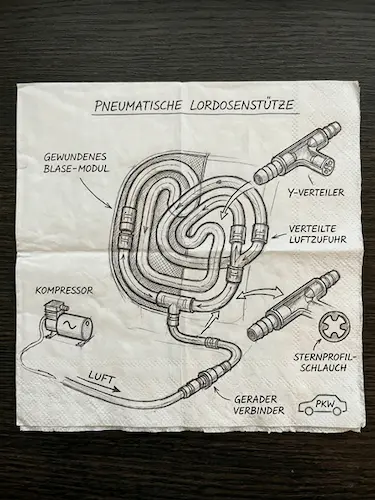
The special shape of the kink-resistant KSS tubing, the material-specific advantages of polyurethane—such as high flexibility and good recovery properties—as well as the space-saving installation with internally routed connectors mean that the kink-resistant tube system can be installed with the smallest bending radii. A classic application for this special pneumatic tube system is comfort seats in the automotive industry. Lumbar supports and massage functions in modern cars are often air-powered. Individual cushions inflate at the push of a button and massage the user’s back or provide support during long drives. The air for this is supplied by the KSS pneumatic tube system. However, there is little space available for installation in a car seat. This is where the KSS, in combination with the special connectors, can fully demonstrate its strengths.
Pneumatic tube system vs. individual components in comparison
| Category | Pneumatic tube system | Individual components |
|---|---|---|
| Installation effort | Low. All parts are designed to fit together. Normally, they just need to be assembled. | High, if the parts aren't properly aligned. In many cases, adjustments must be made on the spot. |
| Leak-tightness | Perfect fit. The connector and tubing fit together perfectly, preventing leaks. | At risk. Spontaneous adjustments leave room for error.. |
| Operational safety | High. Safety is ensured provided that the specified operating pressures are maintained. | Uncertain. It is difficult to calculate the operating pressure for parts that do not fit together. |
| Service life | Long. The harmony between the parts ensures that the system achieves maximum robustness. | It depends. Depending on how well the tubing and connector fit together, the connection may last longer or shorter. |
| Maintenance effort | Minimal. Defects in tube systems are minimized from the outset. If a part needs to be replaced, the installation effort is minimal. | High. Defects occur more frequently than with tube systems. If a part needs to be replaced, manual adjustment may be necessary. |
As the comparison shows, coordinated tube systems offer significant advantages in terms of installation effort, leak-tightness, operational reliability, service life, and maintenance requirements.
Buy the right pneumatic tube system online
Simply use our inquiry form to get a quote for your custom tube system right away. Alternatively, you can contact our experts directly. We’re happy to help!
FAQ: Frequently asked questions about pneumatic tube systems
What is a tube system?
A tube system consists of tubing and matching connectors, such as plugs or couplings. The components are technically matched to each other and form a safe, leak-tight, and easy-to-install connection for industrial applications.
What are the advantages of a tube system over individual components?
Thanks to their technical compatibility, tube systems offer several advantages over individual components:
- Less installation effort
- Better sealing
- Higher operational reliability
- Longer service life
- Less maintenance
Where is the kink-resistant KSS pneumatic tube system used?
The classic application for the kink-resistant KSS pneumatic tube system is the air supply for comfort seats in the automotive sector. However, its strength profile allows for use in all applications where there is particularly limited space for installing tube lines.
How do I find the right tube system?
Finding the right tube system for industrial applications can be complex. Incorrect systems result in high maintenance costs and additional expenses. Our knowledge pages on pneumatic tubing and tubing connectors provide an overview. When in doubt, however, consulting with experts is the best choice.
Are tube systems expensive?
Tube systems are often more expensive to purchase than a combination of the cheapest individual components. However, this cost is offset by their significantly longer service life and lower maintenance costs, making them the more cost-effective choice in most cases over the medium term.
Searching for a pneumatic tube system?
Please contact us right away for all your questions about our assured, tested quality polyurethane tubing.
